Impact on birds
Bird behavioral patterns are diverse, reflecting the complex interactions between them and their environments. Birds have been shown to consider FPV a safe, convenient place to land and rest.
To understand the impact of FPV on birds (and vice versa), it’s necessary to monitor their population and behavior. Strategic placement of vegetation or artificial structures around FPV arrays could provide additional nesting or shelter. This contributes to habitat diversity and conservation efforts.
Royal Haskoning DHV monitors geese at Weperpolder
Between 2018 and 2019, two years of bird monitoring was done by Royal Haskoning DHV at the Weperpolder FPV plant. This sand mining lake was known as a roosting site for waterbirds.
The study compared tundra goose population data before and after plant construction. Counting was performed at the site over a period of three months.
Before plant construction in 2018, 200 geese were counted. After completion in 2019, that figure was 370. Findings showed no negative influence in areas like birds choosing resting places.
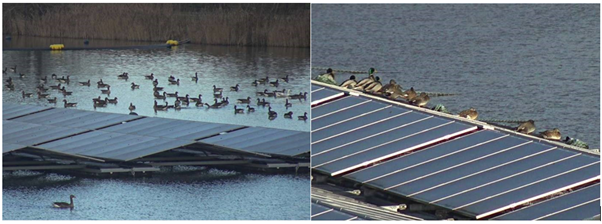
Figure 9. Bird monitoring at Weperpolder in 2019
Another campaign is ongoing at Sellingen, investigating bird behavior around FPV over five years. The first year saw a baseline study completed before construction in 2020/2021. Intermediate results show no impact from FPV on birds. 28,000 Tundra geese were counted during baseline monitoring. 27,000 visited the lake after the solar park installation.
Buro Bakker and AKTB examine migratory bird behavior
Bird monitoring was also conducted at Bomhofsplas and Nijbeets, FPV projects with lake coverage of 26% and 29% respectively. Burro Bakker and AKTB surveyed breeding birds using the BMP-A protocol across sand mining lakes. Between 2020-2021, eight visits were made to Bomhofsplas and five to Nijbeets. Observations were recorded using handheld field computers and processed using the Avimap entry program and Sovon auto-cluster program. Visits typically occurred in the late afternoon to dusk, with sectors designated for waterbird counts. Sector divisions accounted for the presence of solar farms in both locations. Results of evaluating birds showed that migratory birds use FPV as a sanctuary for resting.
Impact on biodiversity
Biodiversity’s crucial role in maintaining ecosystem health, resilience, and functionality can be supported by FPV systems to preserve habitats. Biodiversity considerations during development and management of FPV installations are essential for maximizing environmental benefits and ensuring sustainable energy transition.
Case study: Bomhofsplas explored by Ecocean
The BayWa r.e. Bomhofsplas project is used extensively to research the effects of FPV installations on the lake’s water quality and ecosystem. In 2020, French biodiversity experts Ecocean conducted an in-depth study on the lake’s aquatic environment.
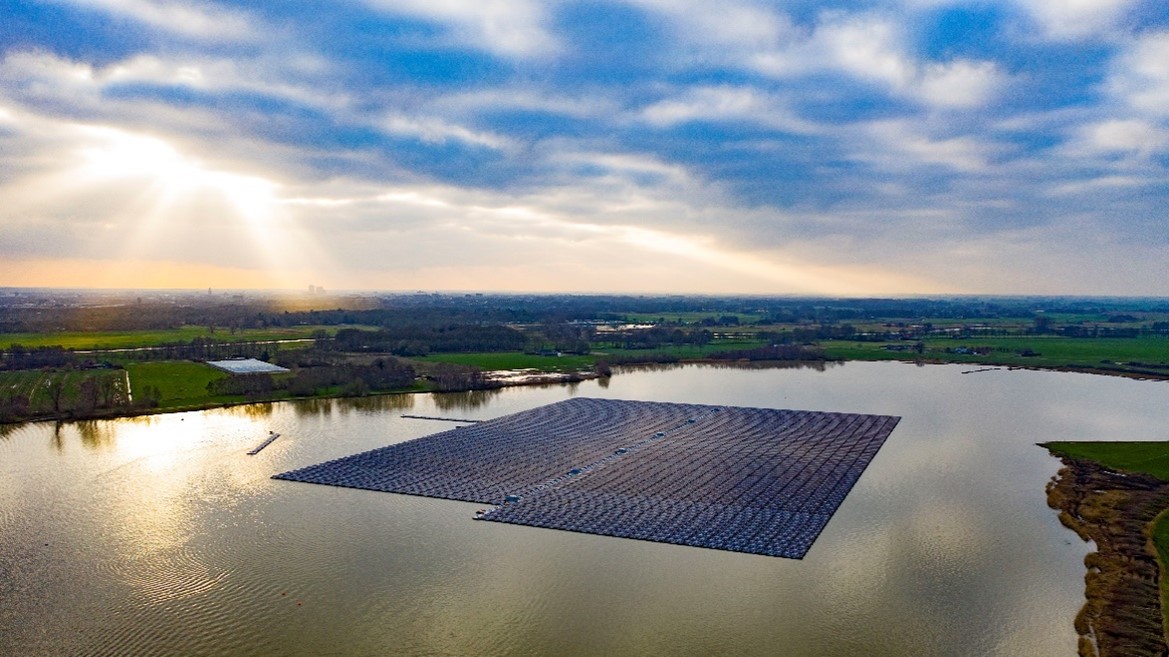
Figure 17. Bomhofsplas FPV (source BayWa)
20 biohuts were installed at the edge of the floating plant. These function as nurseries for small fish and act as habitats and spawning sites for fish, microorganisms, and invertebrates.
Fish were monitored between 2020 and 2023; mainly post-larvae, juveniles, and vagile fauna like cryptic fish and invertebrates. Findings revealed a favorable trend in the colonization and development of species over time under FPV.
Compared to the first full year of observation, there was a rapid growth in the abundance and number of mobile fauna species in 2022, which stabilized in 2023. This highlights the ability of the ecosystem to adjust to the introduction of novel species and the establishment of their populations.
Three fish species (common perch, cyprinids, and tube-nosed goby) and two invertebrate species (Limnae sp and gammarid shrimp) were recorded. The total population recorded was 2382; 1951 invertebrates and 431 fish. The number of species at the bottom of the food chain, like daphnia and gammarids, demonstrates that the biohut environment is balanced to support aquatic life. These species are important, serving as prey for other fish species and larger animals in the food chain. Their abundance suggests a favorable environment for diverse fauna, critical for the ecosystem's overall health and stability. Incorporating biohuts into FPV installations facilitated the proliferation and maturation of aquatic life. This had a favorable effect on the ecological equilibrium of the artificial body of water.
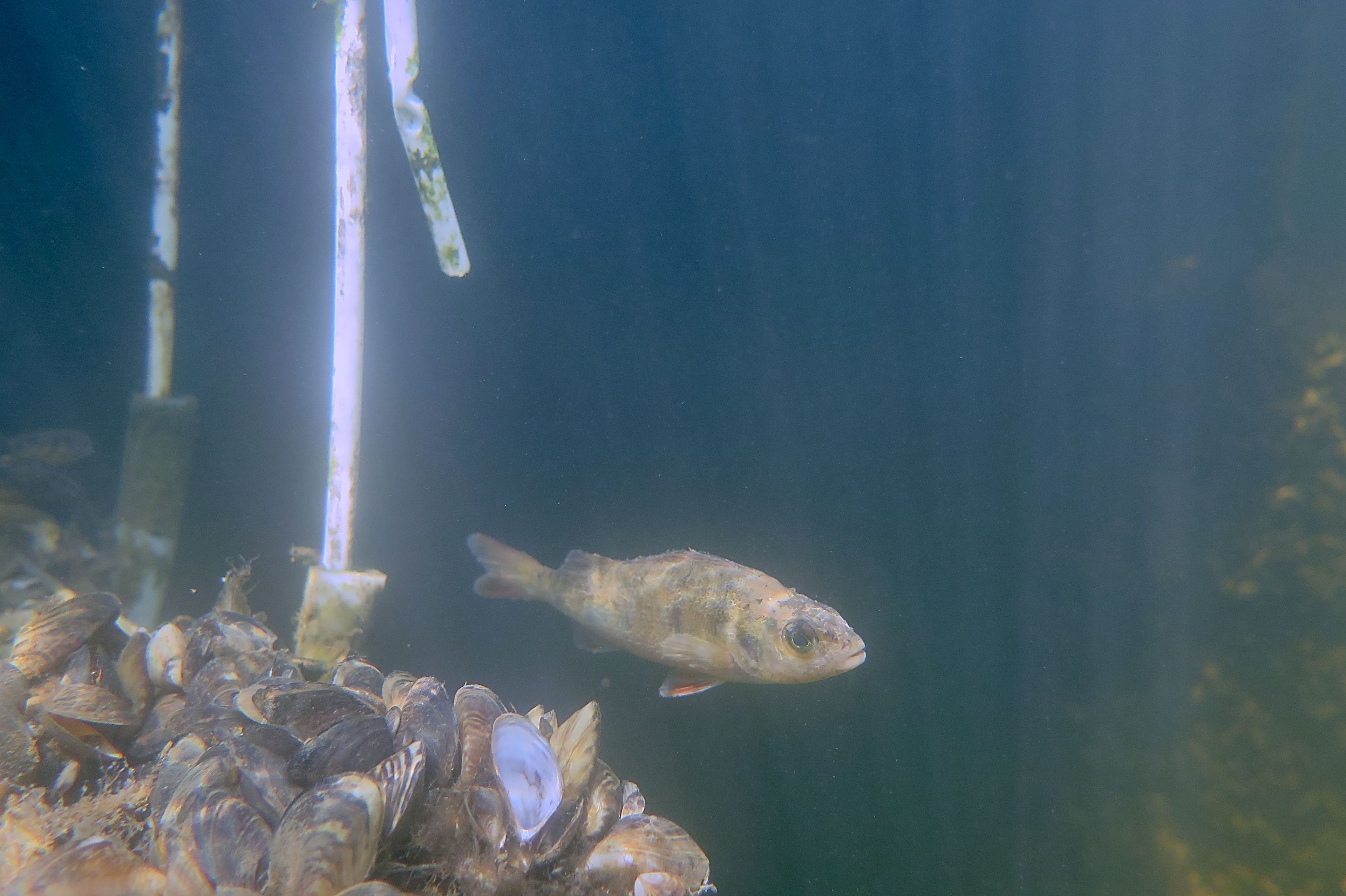
Figure 19.Juvenile common perch (Perca fluviaitlis) sampled in one of the biohuts in Bomhofsplas in 2023 Source: Ecocean
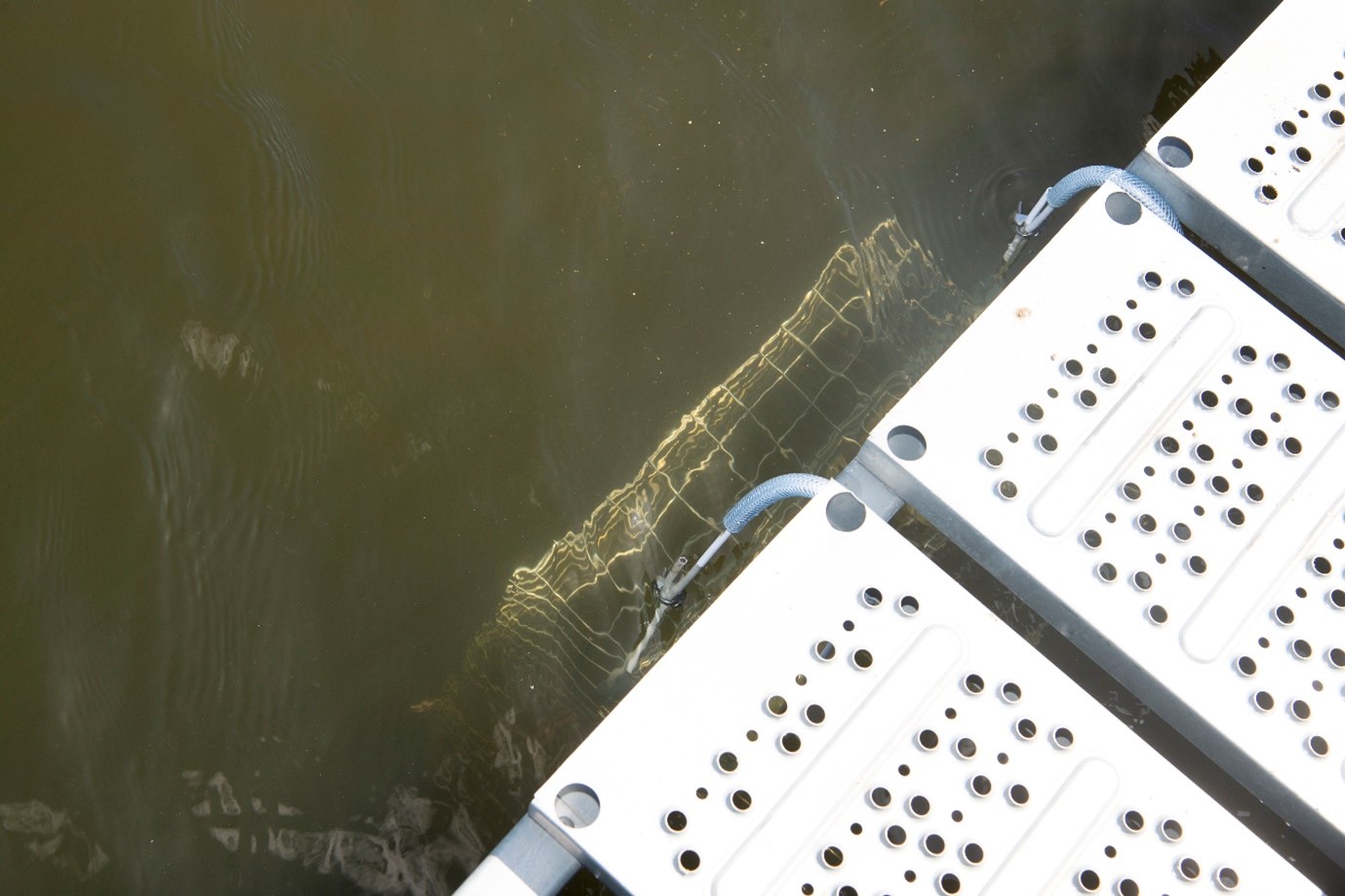
Figure 20.Installed Biohuts in Bomhofsplas