Impact on light permeability
Light influences multiple biological and chemical processes within a body of water, like primary production, photosynthetic oxygen dynamics, and temperature regulation.[50] Light permeability of FPV systems depends on the type of floating structure used, its layout, spacing, and module orientation. Various studies are addressing concerns about reduced light availability under FPV modules.[20][10][2]
BayWa r.e. internal study
We studied light permeability under the type of floating structure implemented as our technical standard. The study was performed with the Python-based ray-tracing software, bifacial_radiance.[51] This uses a backward ray-tracing method to trace individual rays of light in a 3D scene.
Within this scene, the floating structure is modeled in 1:1 scale with non-transparent modules. To avoid edge effects of incoming light from the sides, virtual sensors were placed in the center boat of a 3x3 block. More than 600 virtual sensors in a grid of 0.3cm2 were placed below the structure to compare irradiance intensity with annual weather data for Germany.
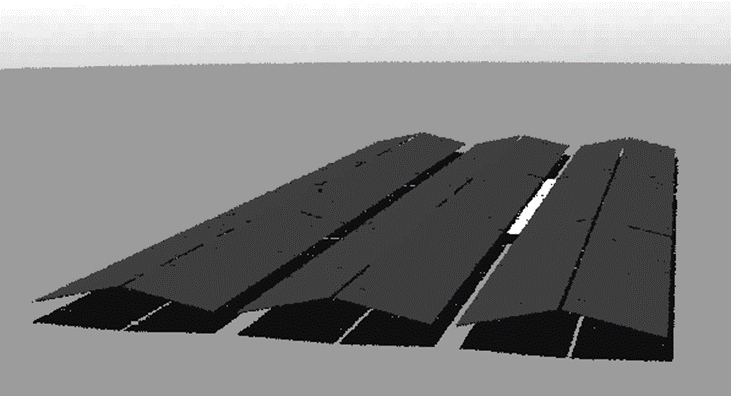
Figure 10.Rendering picture of the modelled floating block
Annual light permeability was calculated as a percentage of incoming solar irradiance reaching the water underneath the floating structure.
For a boat with a nontransparent walkway, the yearly average is 5.5%. For a boat with a semitransparent walkway, the result is 5.93%.
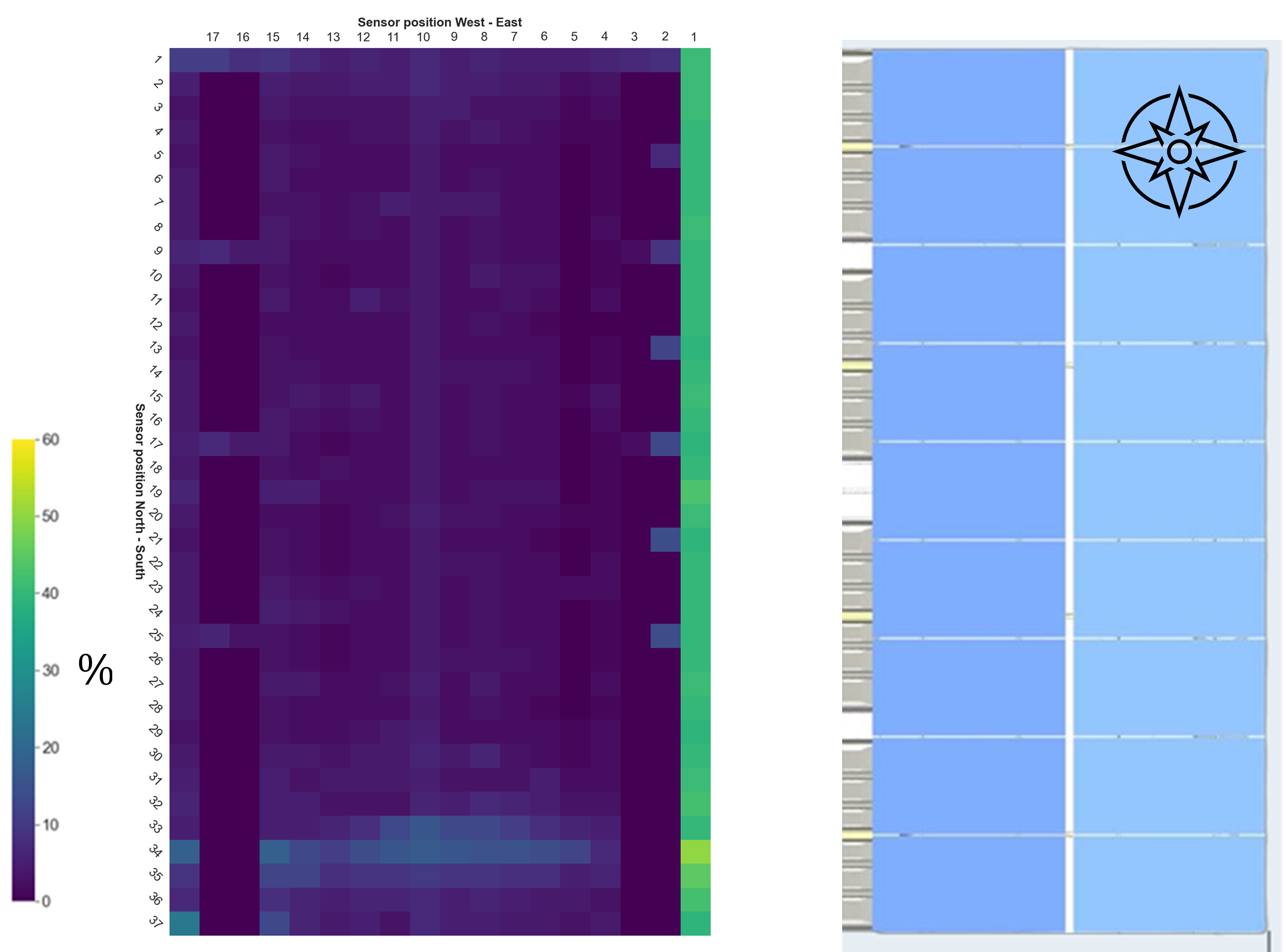
Figure 11.Left: XY-Plot of light permeability below center boat; right: top view of the center boat structure
Results showed the floating structure features a light permeability of ~5.9% in southern Germany. This was simulated by selecting the GHI of one representative day per each month of the year, and averaging results for a full year. The actual transmittance is lower than the top view transparency due to lower sun angles, and therefore incidence angles.
It’s relevant to mention that floating structures are usually placed in open water zones, at a certain distance from the shore. We suggest at least 20-30m, if not otherwise specified by local and national regulations. There, light doesn’t reach the bottom of the water body. Impact on water fauna and flora from decreased irradiance is more limited than in riparian areas.
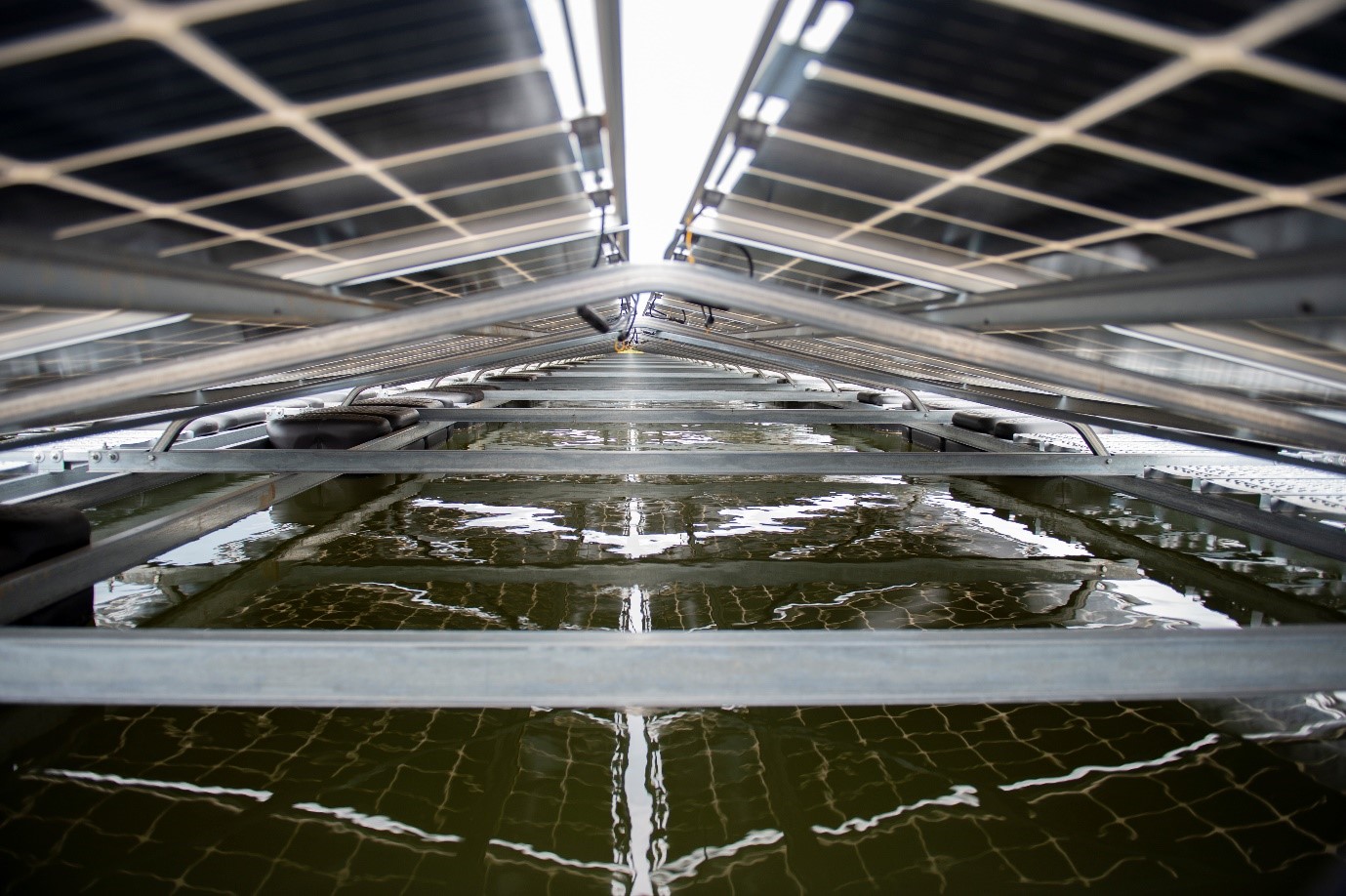
Figure 12.Light going through the PV modules
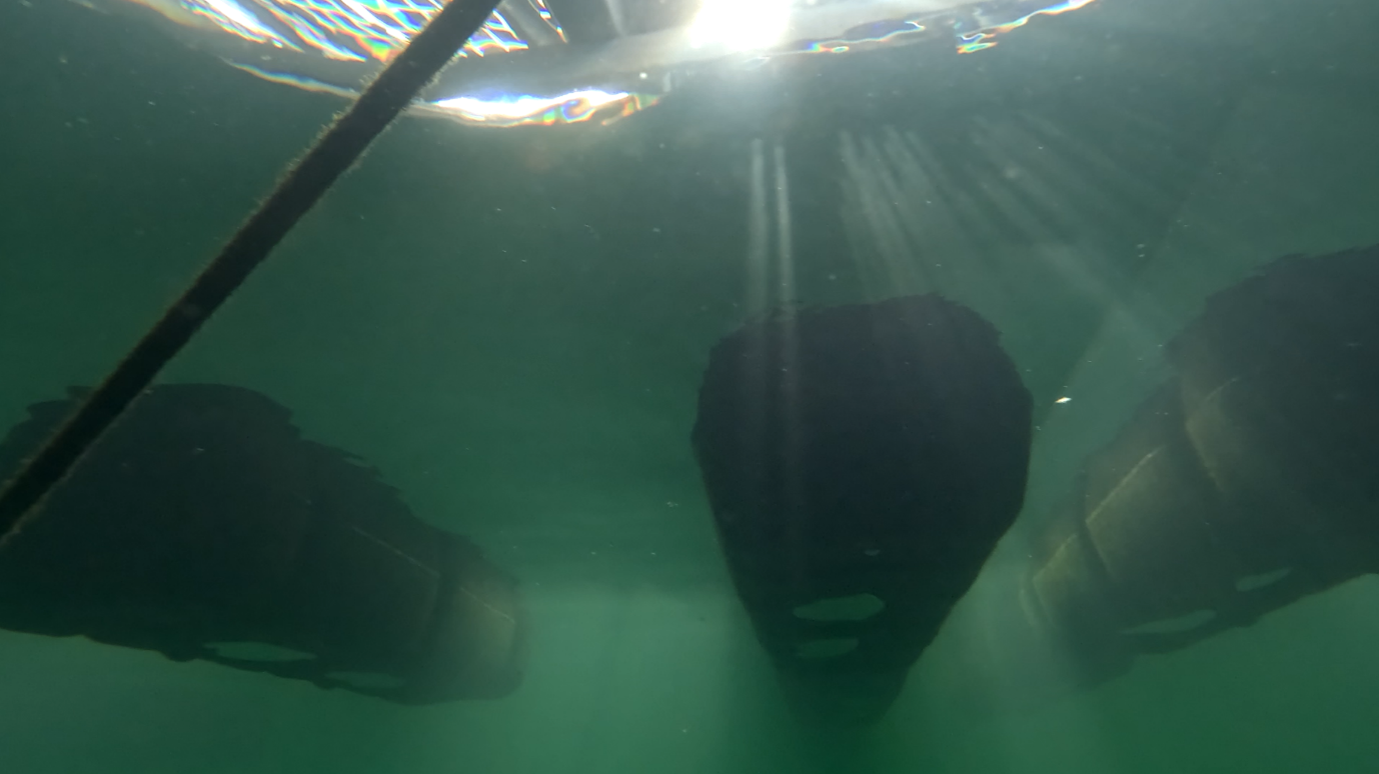
Figure 13. Underwater picture of FPV installation